The 2026 Kitchen Design Guide
The 2026 Kitchen Design Guide: Saying Goodbye to the Sterile Exhibit, Hello to “Lived-In Luxury”
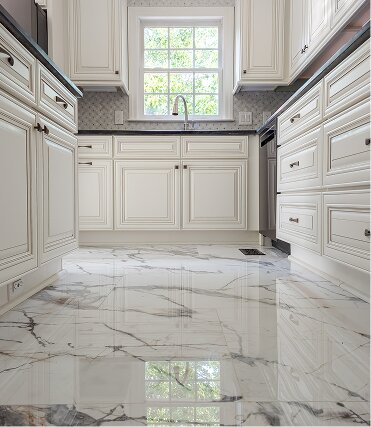
If the kitchens of the early 2020s felt a bit like high-end medical clinics, all stark white surfaces, flat glossy plastics, and blinding overhead spotlights, 2026 is the year we officially get our souls back.
This year, kitchen design has taken a massive turn toward warmth, deep character, and high-functioning layout strategies. We are designing kitchens that act less like museums and more like secondary living rooms: comfortable, layered spaces where people actually want to hang out, while clever storage quietly hides the mess of real life.
If you are planning a renovation or building a home this year, here are the dominant design pillars defining the 2026 kitchen.
1. Wood Cabinetry Crowned King (Goodbye, All-White)
For the first time in over a decade, painted white cabinets have officially been dethroned. Natural wood grain is leading the charge, bringing instant architectural warmth and texture into the home.
- The Woods of Choice: Medium-toned walnut and soft, wire-brushed white oak are the top requests.
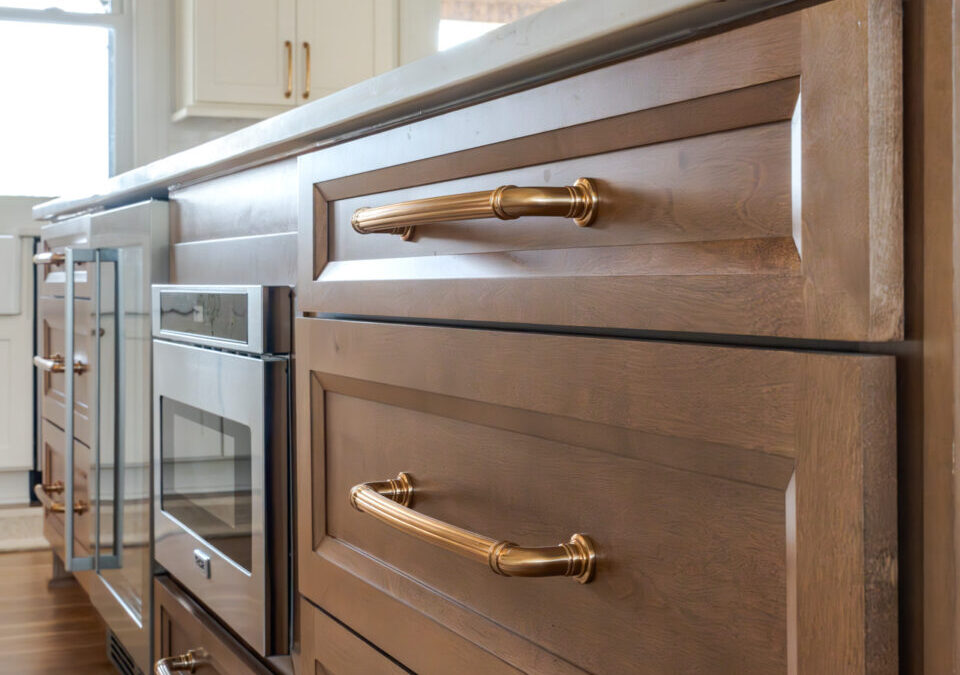
- The Trend Evolution: Instead of the hyper-modern, completely seamless panels of a few years ago, we’re seeing a return to classic Shaker profiles or cabinets with micro-beading and furniture-leg details. It gives the space a collected-over-time, heirloom feel rather than a “flat-pack catalog” look.
2. The Rise of “Workhorse” Multi-Functional Islands
The kitchen island is no longer just an empty slab of stone with two barstools. In 2026, it is the mechanical heart of the room. Designers are scaling islands larger than ever, often exceeding 7 or 8 feet, and pack them with functionality.
- Integrated Appliances: Over 50% of modern renovations are moving primary appliances into the island, including drawer-style microwaves, secondary dishwashers, and dedicated under-counter wine storage.
- Material Mixing: Instead of matching the island stone to the perimeter countertops, the 2026 look heavily embraces contrast. It’s incredibly popular to use a rich, dramatic stone on the wall counters while topping a wood island with a warm butcher block or a deeply veined quartzite.
3. Storage is the Strategy: Hidden Pantries & Back-Kitchens
The secret to keeping a highly textured, beautiful kitchen looking clean? Designing a secondary zone to handle the actual mess. Homeowners are prioritizing functional floor plans over raw square footage, resulting in a massive surge in appliance garages, sculleries, and butler’s pantries.
- Map out the ‘Hidden Zones’ (Step 1: Structural Layout): Incorporate a walk-in scullery or a pocket-door appliance garage. This gives your high-traffic appliances (coffee makers, blenders, air fryers) a permanent home off your main counters.
- Introduce Organic Warmth (Step 2: Color Palette): Ditch the cool grays and stark whites. Build your palette around earthy neutrals: mushroom, taupe, soft sand, clay, or a rich mossy green for the base cabinets.
- Select Your Art Piece Stone (Step 3: Focal Surfaces): Because cabinetry lines are cleaner, your stone has to do the heavy lifting. Look for highly expressive, heavily veined stones like Taj Mahal Quartzite or engineered quartz with bold, deep-flowing veins that snake up the wall as a full-slab backsplash.
- Layer the Ambiance (Step 4: Lighting Strategy): Do not rely purely on recessed ceiling cans. 2026 is all about under-cabinet LED tracks, under-counter island rim glows that emphasize wood texture, and unexpected decorative touches like a petite, dimmable fabric lamp sitting cozy on the counter next to your cookbooks.
4. What’s OUT in 2026 (Trends to Skip)
To keep your kitchen investment from feeling dated by the end of the decade, designers suggest steering clear of these oversaturated fads:
| Out of Style | What’s Replacing It | Why the Shift? |
|---|---|---|
| Fully Fluted Islands | Smooth curves / solid wood trim | Cleaning dust out of dozens of tiny vertical wood grooves proved to be a practical nightmare. |
| Oversaturated Farmhouse | Transitional/Modern Traditional | Shiplap and heavily distressed, faux-aged finishes are giving way to cleaner, authentic hand-craftsmanship. |
| Matte Black Hardware | Brushed Bronze, Antique Brass, Pewter | Matte black can feel flat and industrial. Living finishes that form a soft patina over time add “Quiet Luxury.” |
| Open Shelving Overload | Glass-front cabinets / Solid doors | While gorgeous on social media, open-shelving kitchens require constant dusting and unmatched dishes look instantly messy. |
The 2026 Takeaway: Design for how you actually live. The most stylish kitchen this year isn’t the one that looks the most pristine, it’s the one that feels cozy, uses natural, durable materials, and cleverly keeps daily clutter completely out of sight.